

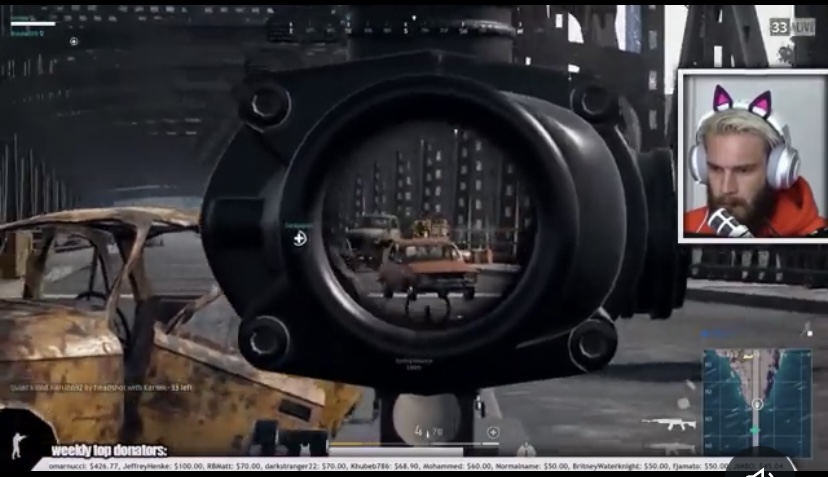
PewDiePie Bridge Incident Explained: In the world of online entertainment, few names are as influential as PewDiePie, whose real name is Felix Kjellberg. As the first solo creator to surpass 100 million subscribers on YouTube, his career has seen both massive success and significant controversy. One of the most notable and widely discussed controversies he’s been involved in is what’s now known as the “PewDiePie Bridge Incident.” This moment, which occurred during a live stream in 2017, sparked global outrage and raised important discussions about racism, accountability, and the responsibilities of internet influencers.
What Was the PewDiePie Bridge Incident?
The incident took place during a livestream while PewDiePie was playing the popular battle royale game PlayerUnknown’s Battlegrounds (PUBG). During a heated gameplay moment on a bridge — which is where the name originates — he used a highly offensive racial slur while criticizing another player. Caught in the intensity of the moment, he uttered the N-word live on camera, then immediately appeared to realize the severity of what he said and tried to backtrack, saying, “I didn’t mean that in a bad way.”
However, the damage was already done. The clip quickly went viral across social media and news platforms, and criticism came from fans, fellow creators, and major media outlets alike.
Public Backlash and Industry Reaction
The response to the incident was swift and intense. Many saw it as a clear example of inappropriate behavior by a prominent public figure. While PewDiePie had previously courted controversy — including a separate incident involving anti-Semitic jokes earlier that same year — this specific moment stood out due to the use of explicit hate speech.
The backlash extended beyond the general public. Indie game developer Campo Santo, creators of Firewatch, condemned PewDiePie’s behavior and issued a DMCA takedown on all his content featuring their game. This set a precedent and sparked a wider debate over whether game developers have the right to pull their games from YouTubers they no longer wish to be associated with.
PewDiePie’s Apology
Following the outcry, PewDiePie released a public apology video. In it, he acknowledged that his choice of words was completely unacceptable, even in the heat of the moment. He admitted that he had “no excuse” for using the racial slur and expressed regret and disappointment in himself. While many accepted the apology, others questioned whether a simple video was enough to make amends for such an offense.
Long-Term Impact on PewDiePie’s Career
Despite the controversy, PewDiePie’s subscriber base continued to grow in the years following the incident. However, the bridge incident, along with previous controversies, led to a more cautious relationship between him and corporate partners. He had already lost a lucrative deal with Disney’s Maker Studios earlier in 2017, and the bridge incident further solidified concerns from advertisers and YouTube itself regarding brand safety.
The incident also led to changes in the broader YouTube community. More creators began speaking out against toxic language and behavior in gaming, and discussions around content moderation, influencer responsibility, and online accountability became more mainstream.
Why the Bridge Incident Still Matters Today
The PewDiePie Bridge Incident isn’t just a footnote in internet history—it remains a touchpoint for ongoing conversations about race, digital influence, and the behavior of content creators with massive platforms. It serves as a reminder that with great visibility comes the need for greater responsibility.
In the current climate, where streamers and influencers shape cultural conversations and reach millions globally, their words carry weight. The incident highlighted the dangers of normalizing harmful language in gaming culture and how quickly one moment can define—or redefine—a public figure.
Final Thoughts
While PewDiePie has largely moved past the bridge incident and continues to create content for his global audience, the controversy remains a defining moment in his career. It also underscores the importance of holding influencers accountable and the role platforms and audiences play in shaping ethical standards in online communities.
As streaming and content creation continue to grow, the lessons from this incident are more relevant than ever: words matter, especially when millions are listening.

