

Introduction
Across the endless landscape of the internet, some videos manage to captivate audiences around the globe. One such video, often referred to as the “One Girl One Wolf” clip, showcases a serene and intimate moment between a young woman and a majestic wolf. This brief yet powerful footage has sparked curiosity, admiration, and a plethora of questions about its authenticity, background, and implications. The allure of such content lies in its ability to bridge the gap between humans and the wild, offering a glimpse into interactions that are both rare and profound. As we delve into the story behind this viral sensation, we’ll explore the origins of the video, the individuals involved, and the broader conversations it has ignited about human-animal relationships.
”One Girl One Wolf” Viral Video
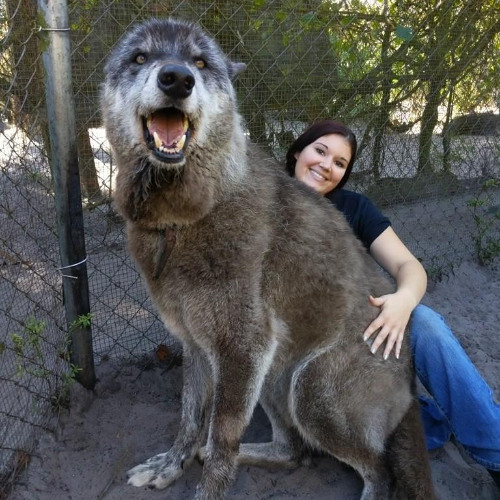
The “One Girl One Wolf” video made its debut on various social media platforms, rapidly gaining traction due to its captivating content. Viewers were mesmerized by the gentle interaction between the girl and the wolf, leading to widespread sharing and discussions across the internet. The video went viral due to viral factors:
- Emotional Appeal: The tender moment captured resonates with viewers, evoking feelings of wonder and connection.
- Rarity: Such close interactions between humans and wild animals are uncommon, making the footage stand out.
- Mystery: The lack of context or background information spurred curiosity, prompting viewers to seek out more details.
As shares and views multiplied, the video transcended platforms, appearing on news outlets, blogs, and discussion forums, each attempting to unravel the story behind the mesmerizing clip.
Analyzing the One Girl One Wolf Video
A closer examination of the video reveals a serene setting, possibly in a forested area, where the girl and the wolf share a tranquil moment. The wolf approaches the girl calmly, nuzzling her affectionately, while she responds with gentle strokes and soft words.
This interaction defies common perceptions of wolves as fierce predators, instead portraying them as capable of forming deep, affectionate bonds, especially when raised or rehabilitated by humans.
Public interpretations varied:
- Admiration: Many viewers expressed awe at the evident trust and connection between the two.
- Skepticism: Some questioned the video’s authenticity, suspecting it might be staged or involve a domesticated animal.
- Concern: Others raised ethical questions about human interaction with wild animals and the potential risks involved.
Regardless of the perspective, the video undeniably stirred emotions and prompted widespread discussions about the nature of human-animal relationships.
Behind the One Girl One Wolf Video
Delving into the origins of the video, further investigations and discussions unearthed more context. It was revealed that the girl had indeed raised the wolf from a young age, fostering a bond built on trust, care, and mutual respect.
This backstory aligns with similar accounts, such as the story of Li Weiyi from Sichuan, who raised a wolf cub named Green and later reunited with him years after releasing him into the wild. Such narratives highlight the profound connections that can form between humans and animals, given time, patience, and understanding.
The revelation of the video’s background added depth to the footage, transforming it from a mere viral clip to a testament of interspecies friendship and the possibilities that arise when humans approach wildlife with compassion and respect.
Public Response and Media Coverage
Once the ”One Girl One Wolf” video gets viral on internet, media started to cover the story. Popular digital news platforms, YouTube commentary channels, and even televised wildlife segments began analyzing the clip. Each outlet offered its own take, some focusing on the heartwarming relationship, while others took a more critical approach, emphasizing the importance of responsible wildlife content. Social media platforms like Twitter, Instagram, TikTok, and Reddit became hotbeds of conversation.
Thousands of users shared the video with captions expressing awe, admiration, or concern. Hashtags such as #OneGirlOneWolf, #WolfWhisperer, and #WildlifeConnection trended for days. Influencers and animal rights activists joined the conversation, with some praising the interaction while others warned about setting a dangerous precedent of engaging closely with wild animals.
The public response was polarized: Supporters admired the deep bond and viewed it as a symbol of what humanity could achieve through empathy. Critics expressed concern about glamorizing wild animal encounters without clear context, fearing it might inspire unsafe behavior in others. Experts in wildlife conservation used the viral moment to educate viewers about the differences between domesticated, socialized, and wild wolves. This diverse spectrum of responses ultimately amplified the video’s reach, making it not just a viral sensation but also a talking point in broader discussions about media responsibility, animal ethics, and conservation.
The Science of Human-Wolf Relationships
To understand the awe surrounding the “One Girl One Wolf” video, one must explore the science behind human-wolf relationships. Wolves, the ancestors of domestic dogs, are intelligent, social creatures that live in complex family structures. Though generally wary of humans in the wild, wolves raised in captivity or in controlled environments can form strong bonds with their human caregivers. Several scientific studies have documented cases where wolves exhibit dog-like behavior towards familiar humans: Wolves can respond to human gestures and commands when properly socialized from a young age.
Wolves, however, remain unpredictable compared to dogs, owing to their stronger prey drive and territorial instincts. Organizations like Wolf Haven International and the Wolf Conservation Center have raised wolves in sanctuaries and documented their behavior in detail. According to wolf biologists, the relationship shown in the video is possible—but only under specific conditions where the wolf has been hand-reared and trained by experienced individuals. This context is critical. Unlike dogs, wolves do not have thousands of years of selective breeding to adapt them to human companionship. Even socialized wolves require expert care, space, and understanding of their complex needs. The science confirms that while these interactions can happen, they are rare, delicate, and should never be attempted casually.
Ethical Considerations
Several ethical dilemmas arise:
Glorification of risky behavior: Viewers might interpret the video as encouragement to approach wild animals, leading to dangerous encounters.
Animal welfare: Critics argue that showcasing wild animals as tame can undermine their natural instincts and dignity.
Misinformation: Without background knowledge, viewers may falsely assume wolves can be domesticated like dogs, which is untrue and harmful. Animal rights groups and conservationists urge content creators to include educational context with such videos. When the full story is shared—such as how the wolf was raised and the responsibilities involved—it shifts the narrative from spectacle to education.
Furthermore, laws in many countries strictly regulate ownership or interaction with wild animals. Wolves are often protected species, and unauthorized handling can lead to legal consequences or even animal relocation. Ethical wildlife handling always prioritizes the animal’s needs and habitat over human fascination.
Responsible content creators now add disclaimers or collaborate with conservation groups to educate the public. In this way, viral content can spark meaningful dialogue rather than just momentary awe.
Final Thoughts
The “One Girl One Wolf” video wasn’t just a passing trend. It became a cultural moment that stirred emotions, ignited debates, and sparked interest in one of the most misunderstood animals on the planet. It reminded us of our shared history with nature, and our responsibility toward it.
Behind the viral fame was a deeply moving bond—likely nurtured over years of care and mutual respect. But as much as we are touched by such scenes, they should be viewed through a lens of responsibility, not replication.
Let this video be more than just a scroll-stopper. Let it be a starting point. A reason to learn more about wolves, to support ethical wildlife organizations, and to think twice before we interpret or recreate content without knowing the story behind it.
When awe meets understanding, that’s when real change happens.
FAQs
Q1: Is the “One Girl One Wolf” video real?
Yes, the video appears to be real. It shows a genuine interaction between a young woman and a wolf. Experts believe the wolf was raised by the woman or in a controlled, socialized environment.
Q2: Can wolves be kept as pets?
No, wolves are wild animals and not suitable as pets. They require extensive space, specialized care, and can pose risks even to experienced handlers.
Q3: Where was the video filmed?
The exact location remains unverified, but speculation suggests a private sanctuary or wilderness reserve where the woman and the wolf had a history together.
Q4: Why do some experts warn against sharing such videos?
Because they can mislead the public. Without context, viewers may think it’s safe or easy to interact with wild animals, which can lead to dangerous behavior.
Q5: How can I support wolf conservation?
You can donate to reputable wildlife organizations, volunteer with local conservation programs, and educate others about the importance of protecting natural habitats.

